
Blackboard Races
From the blackboard race to building tools that give people time back.
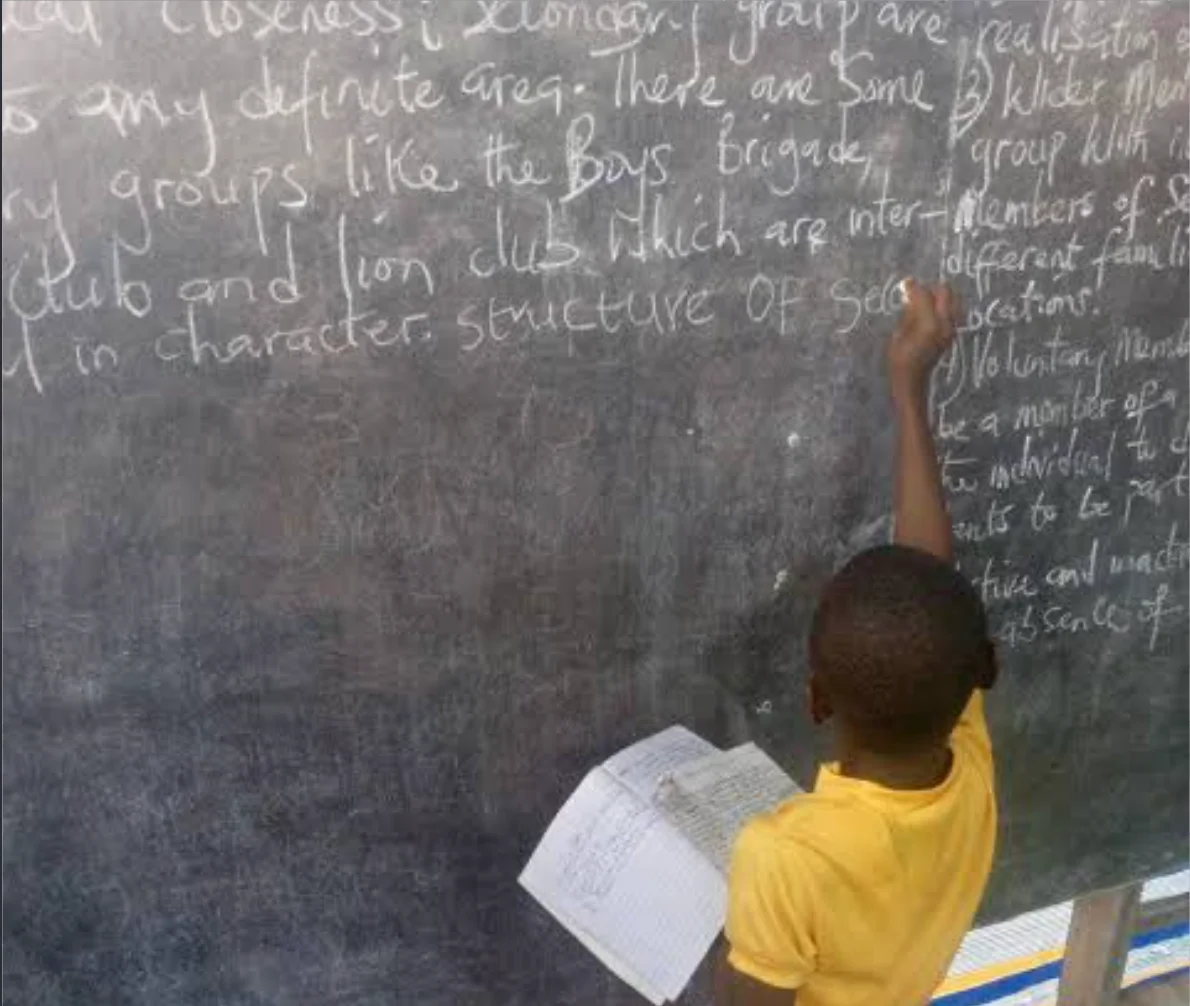
The earliest friction I can remember came from a blackboard.
"Maria, pakopya daw nito sa blackboard sabi ni ma'am… Teka lang, di pa ako tapos magkopya… Ang bilis naman, binura agad… Bagal-bagal mo kasi magsulat eh!"
That was a typical afternoon in my elementary school in the province. The secretary would fill the board and step aside, and the race would begin. My friends and I competed over who could copy everything first. Whoever finished got to shout "Done!" loud enough for the whole room to hear.
Some people would call those the good old days, and honestly, the experience was fun. But when I look past the nostalgia, I mostly remember tired hands, half-copied notes, and lessons rushed so we could finish before the board got erased. The point became keeping up instead of learning.
Now that I'm in college, almost every class I take runs on slides. Nobody copies word for word anymore. The professor simply projects the deck, we get the file, and the time that used to go to copying now goes to questions and discussion.
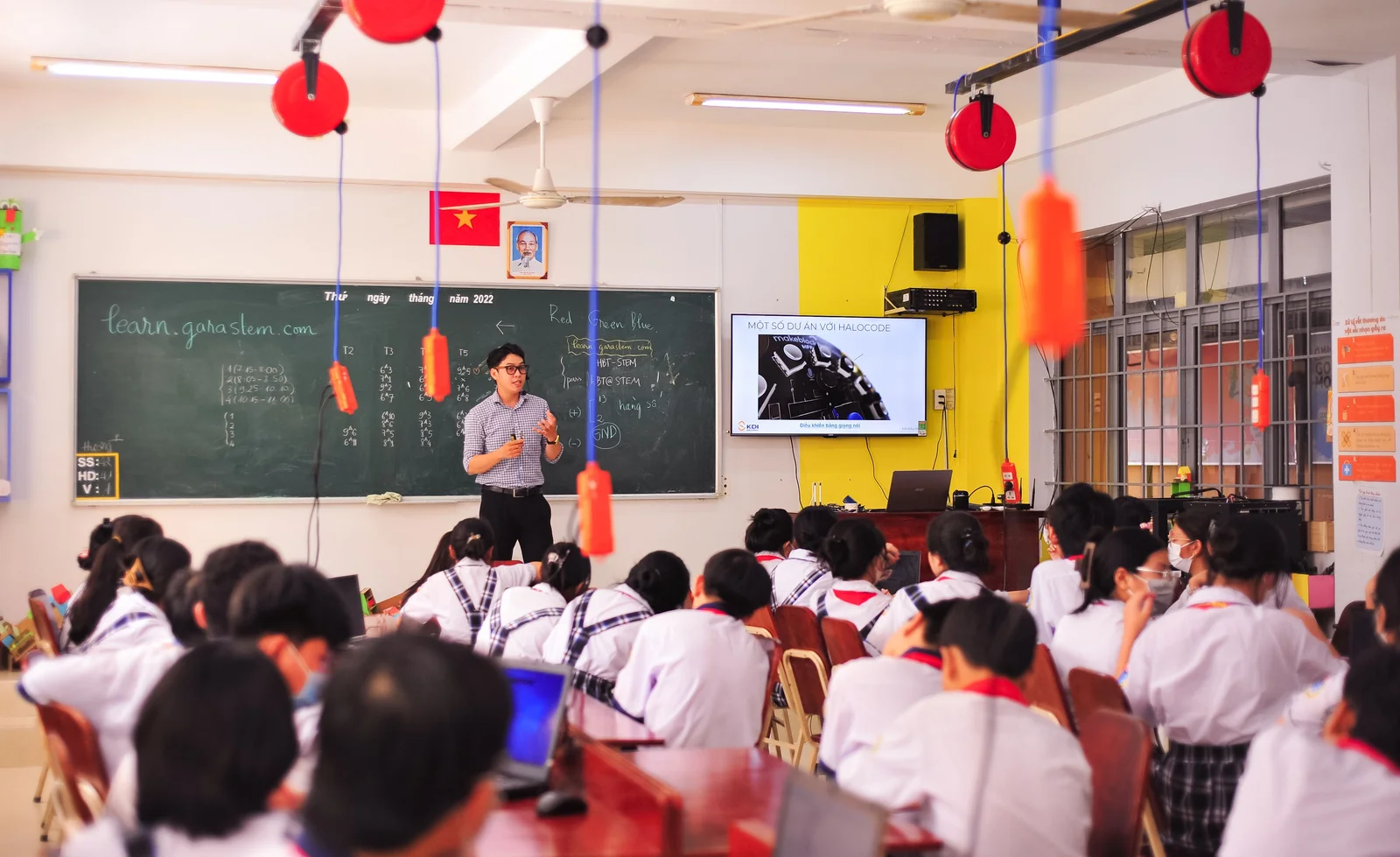
It's such a small change that I didn't notice at first. Looking back, it's probably the first time I understood what a good tool actually does. A good tool moves time away from busywork and toward the part that matters. In class, that meant less copying and more discussion.
That idea stuck with me. When I describe what I like building, I keep coming back to the same phrase: tools that reduce friction. Even my side projects follow it. I built DClutter, a "Tinder for files" app for my Mac's Downloads folder, because cleaning it up by hand is basically the adult version of copying the board. Different processes, the same outcome, achieved in less time.
The same kind of technology changed something bigger for me. I'm from Puerto Galera, and I study in Manila while my parents stay in the province. Messaging apps and video calls are how we stay close despite the distance. They're also how I keep in touch with friends who are now scattered everywhere.

Living in Metro Manila, it's easy to treat that as normal: a strong signal, a fast connection, a call that doesn't freeze. Many places still don't have that. When I looked it up for a class paper, the World Data Lab's Internet Poverty Index estimated that 17.4% of Filipinos were still internet poor in 2024.
That number changed how I see my own situation. The thing that keeps me close to home isn't guaranteed for many of the people still living there.
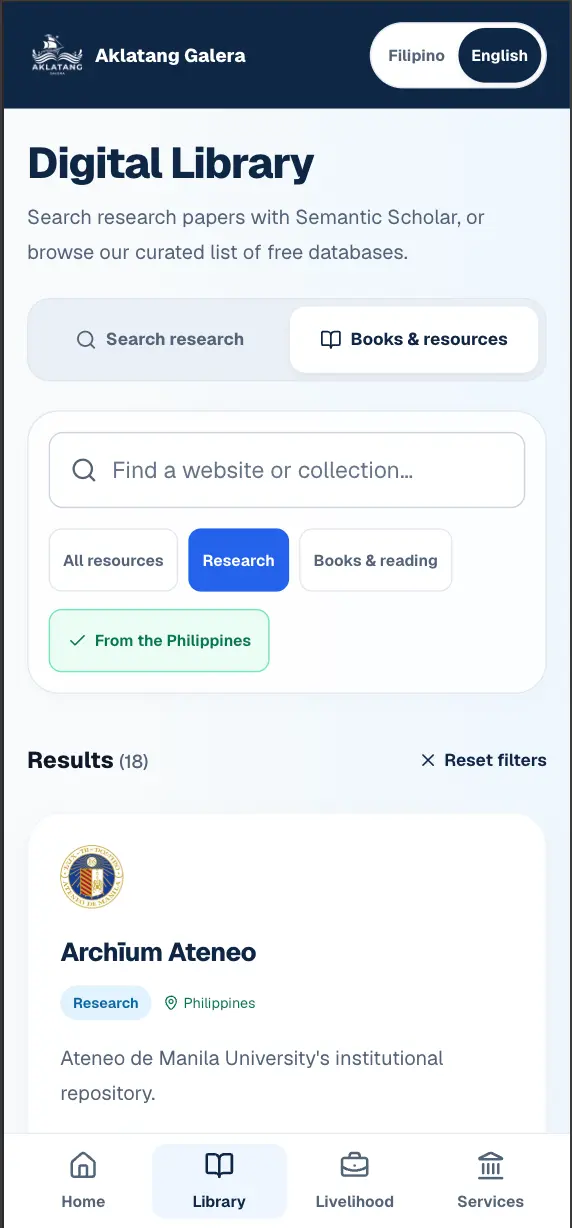
This is where it connects to the work I care about most. Aklatang Galera is my attempt at answering the same question: what happens to the people who don't have easy access? It's a free bilingual portal for Puerto Galera that gathers 100+ educational, livelihood, and government resources in one place, from research databases to scholarships and job listings.
Because of who it's for, the "boring" parts matter to me most. It's bilingual because not everyone reads English comfortably. It's frontend-only and lightweight, and it scores 100 on Lighthouse desktop and 98 on mobile. At first they look trivial, but those numbers matter because for someone on a weak signal and an old phone, a heavy page is a closed door.
The blackboard race taught me to finish fast. It took me years to realize that finishing fast and understanding are different things, and that the right tool can give you time for the second one.
That's the kind of progress I want to build: the kind that gives people time back, and that doesn't stop at the people who already have fast Wi-Fi. A tool that only works for the connected is still a race, just with a different blackboard.