
Corny
A friend's younger cousins called a movie I loved “corny,” so I interviewed three generations to find out why.
I couldn't stop talking about K-Pop Demon Hunters. It's absurd, flashy, and has songs I couldn't get out of my head. Most of my friends agreed with me. Then one friend mentioned that his much younger cousins didn't find it funny at all. To them, it was corny.
That comment stuck with me. How could something that made me laugh this hard be cringe to someone only a few years younger? Has humor really changed across generations, or have we just split into smaller and smaller groups that each find different things funny?

I interviewed one person from each of three generations. Humor depends on a lot of things, so I held some variables constant: all three are men, and all three grew up in Puerto Galera. That way, the biggest difference left was the generation. I asked each of them about their favorite comedians, the jokes that were popular in their time, and how humor got shared around them.
| Generation | Who | Where comedy lived | What was funny |
|---|---|---|---|
| Baby Boomer | My dad | Cinemas and kwentuhan | Dolphy, Mang Kepweng, riddles, long stories |
| Millennial | My brother | Stories first, then TV | Mr. Bean, Wow Mali |
| Gen Z | A friend | Reels and feeds | The Amazing World of Gumball, Brooklyn Nine-Nine |
My dad grew up when TVs were rare. Comedy meant going to the cinema or swapping stories with people around you. Humor was mostly about bonding and passing time. When I asked what changed, he said: "Ngayon, wala na masyadong kwentuhan. Naka-selpon na lang."
My brother called his generation the bridge. They grew up with storytelling, then TV arrived. He loved Mr. Bean because it needed no words. He also noticed a shift from his time teaching college: students seemed more sensitive than before, which he felt makes comedy harder to do well.
My friend described Gen Z humor as absurd, meta, and ironic. He said jokes often mask serious feelings, a way to cope instead of confronting something directly. He also said people his age are more careful about jokes involving gender, race, or culture, because one joke without context can follow you everywhere. Then he said the line that stuck with me most: memes need to be funny in about two seconds, or he skips them.
The biggest pattern was fragmentation. My dad's and brother's humor came from shared local stories that everyone in town knew. My friend's humor comes from a global feed where what's hilarious to one person is cringe to the next. That's probably the real answer to the corny question.
That two-second rule reaches well beyond memes. It describes the same user who closes a page that takes too long to load, or skips onboarding that doesn't get to the point. Sociologist George Ritzer called this kind of pressure McDonaldization: everything becoming efficient, predictable, and bite-sized. Software lives under that pressure too. The risk is that we optimize so hard for the skim that we lose what layered, slower things do well, like my dad's stories.
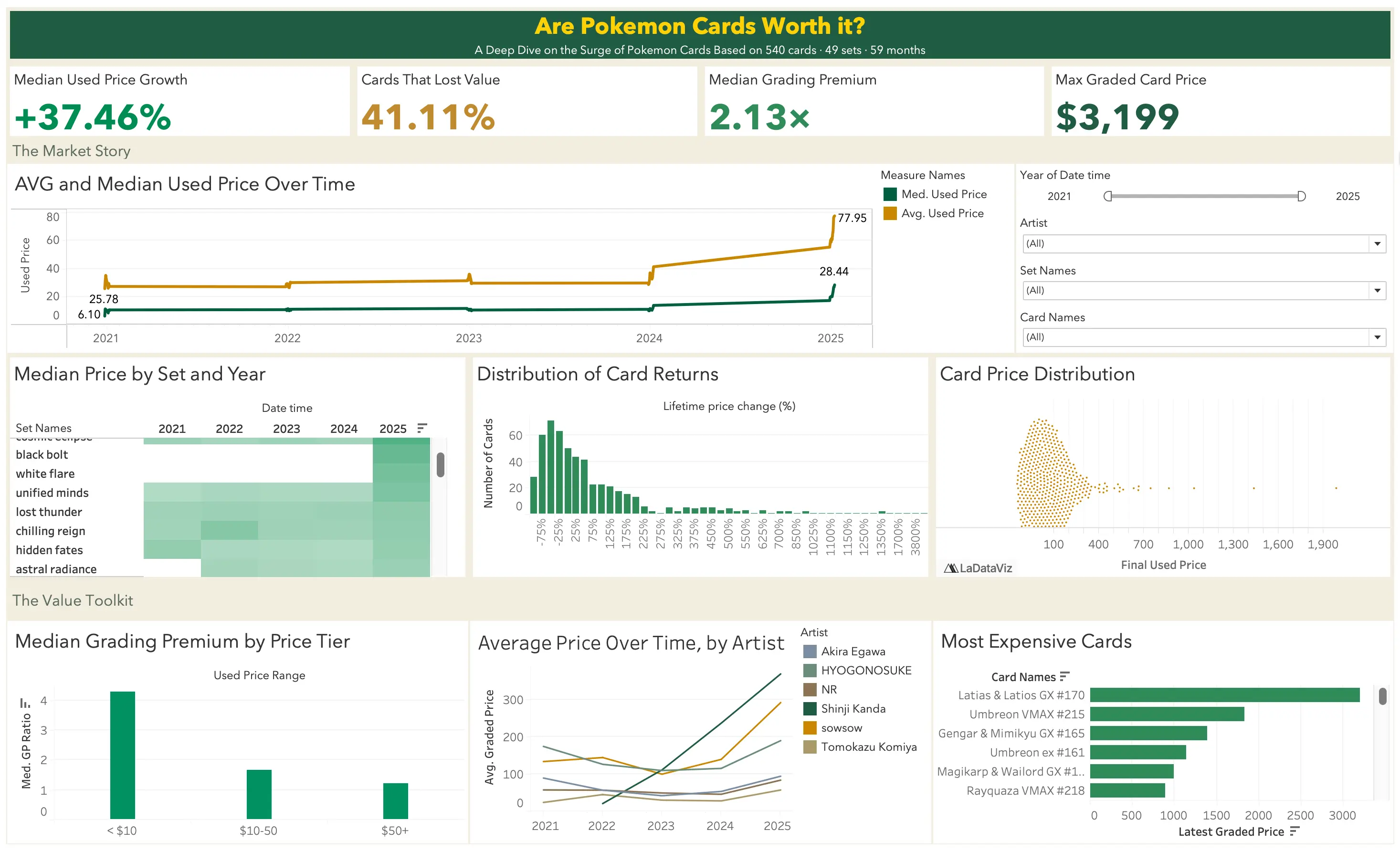
The method stuck with me too. Controlling variables before comparing groups is the same habit I use in data work now. In a Pokémon card price analysis I did with a friend, the obvious story was that prices had grown a lot from 2021 to 2025. When we accounted for which cards were rotating in and out, most of that growth was explained by the mix changing, not real appreciation. The first answer is rarely the whole one.
This was three interviews: one person per generation, all men from one town. That makes the comparison cleaner, but it also makes it narrow. A woman from Manila would likely give completely different answers.
Also, the cousins might simply think K-Pop Demon Hunters is corny. That's totally valid.