
Lorem Ipsum Sit Amet
What an art class taught me about replacing the filler with something that means something.
Every web developer knows lorem ipsum: filler text that holds space until the real content arrives. That's also how I used to see art. My view of it was generic, full of assumptions that art was about beauty and prestige.
Back in 2025, I went into ArtAp a little scared, since I had no art background. I expected history, theory, and techniques. What I got was a class that kept asking what I actually thought.
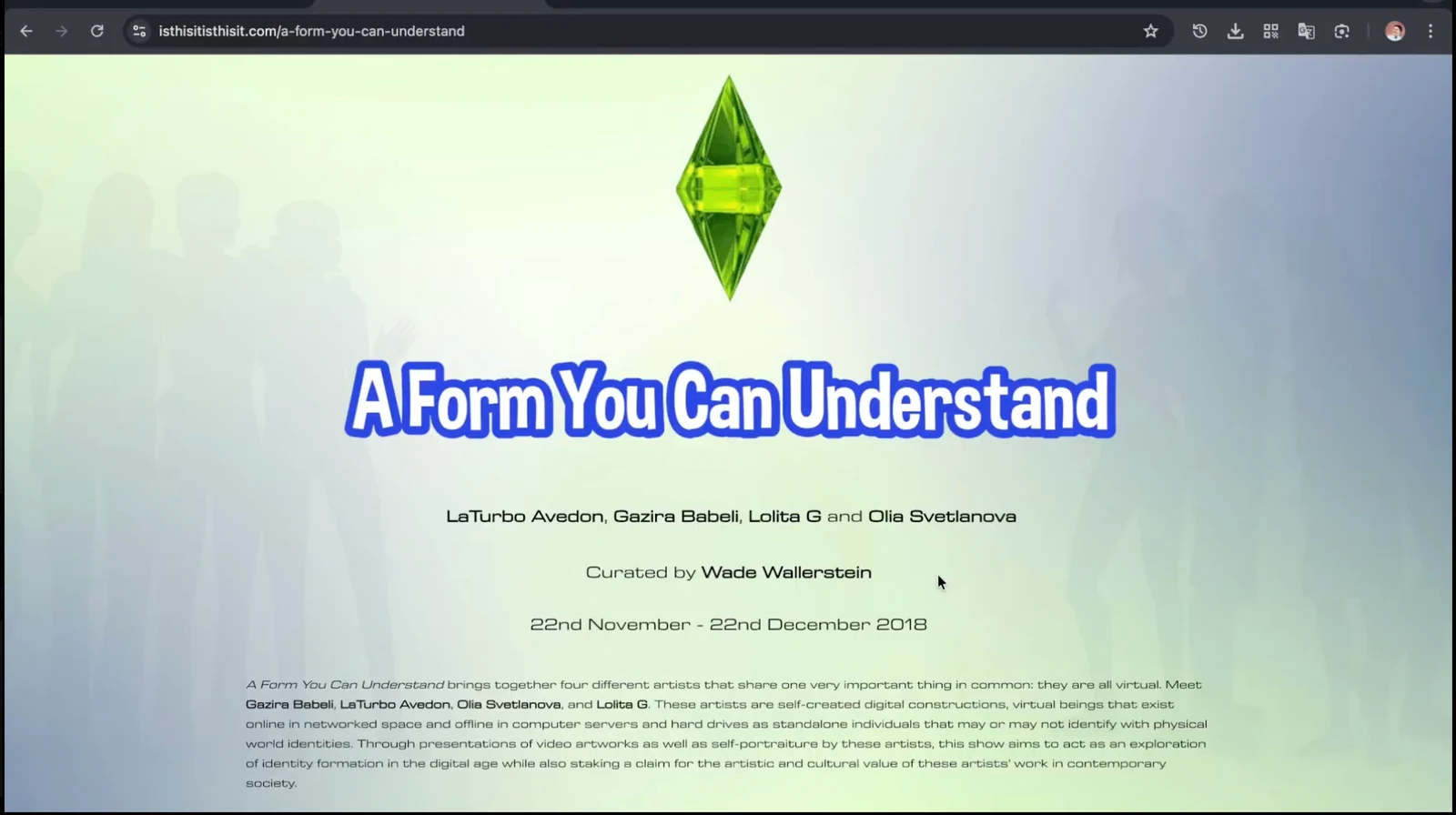
The turning point was a group podcast reacting to A Form You Can Understand (2018), a digital exhibition curated by Wade Wallerstein. We went in blind, kept the conversation going without dead air, and relied on each other. Somewhere in that recording, I stopped worrying about sounding "wrong."
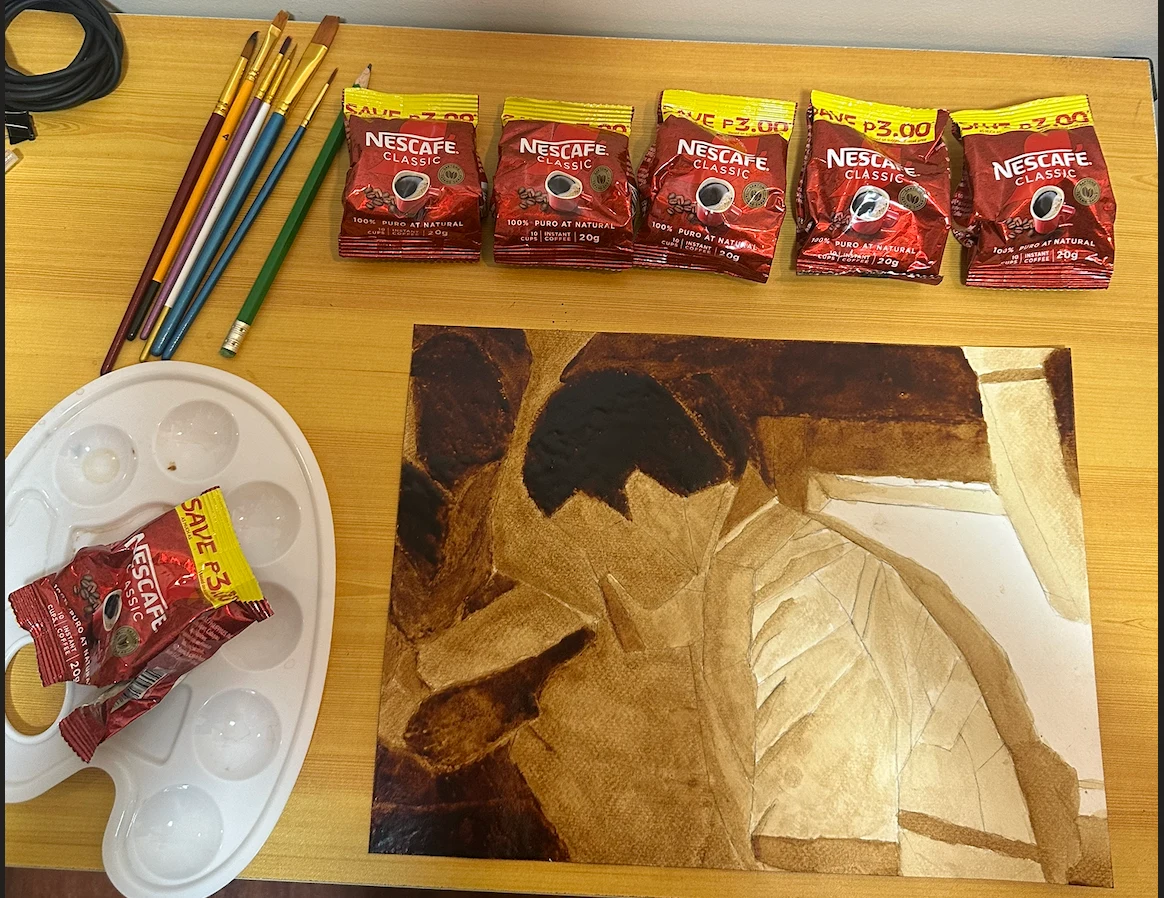
By the end of the semester, I noticed a pattern in my own work. My essay on Tracey Emin's My Bed, our group's two-million-peso what-if, and my final artwork, Para Kanino Ka Bumabangon? (2025), all leaned toward art about social reality: art that makes people look twice at the world around them.
I didn't realize how much that class stayed with me until I started building sites seriously. It's the reason I care about details most visitors won't consciously notice. On this portfolio, that means subtle animations meant to guide your eye, and small touches like the system-status labels that give the site its personality. Each one is a decision about how a page should feel before anyone reads a word.
I used to think art needed a canvas. Now I think it just needs intent. In art and in code, the goal is the same: replace the filler with something that means something.