
Building with what you have
A day in Bagong Silangan taught me about community and about building with what you have. It also gave me the idea for Aklatang Galera.
On a Saturday that broke my usual weekend routine, our NSTP class rode a jeepney into Barangay Bagong Silangan, Quezon City. The goal of the immersion was simple: spend the day with a foster family, listen to their stories, and experience solidarity with the urban poor.
The streets were narrow and busy. Sidewalks were thin or missing, so people walked on the road alongside jeepneys and tricycles. Towering houses stood next to small ones, and the whole area sat surprisingly low, which made sense later.
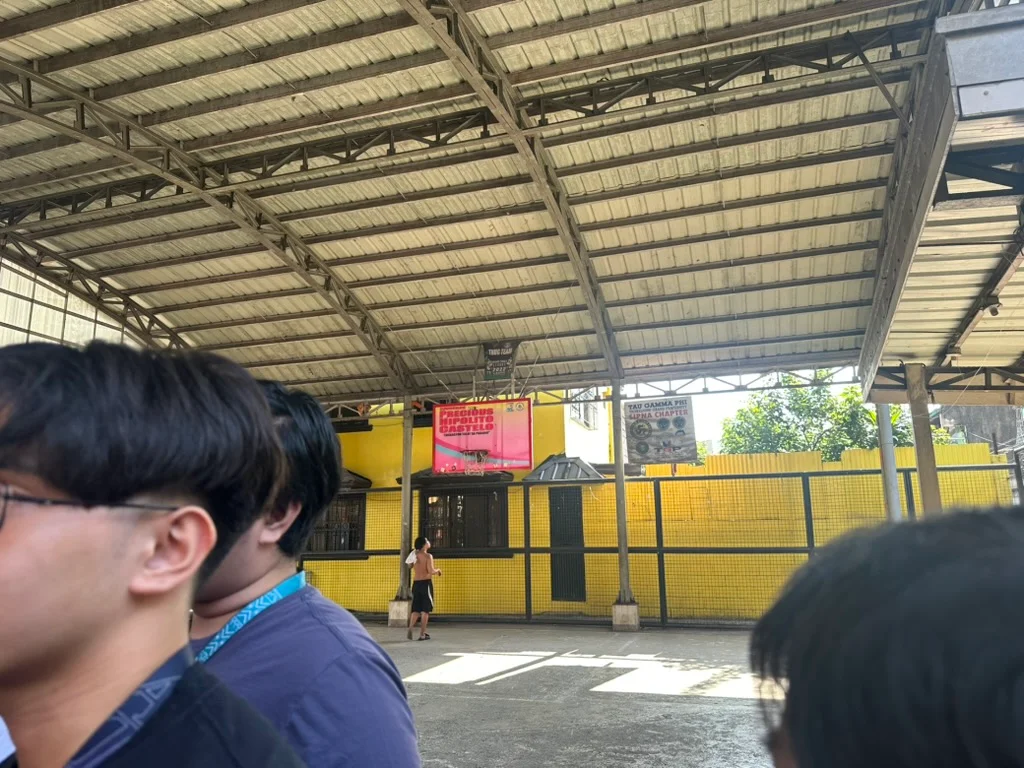
Our foster nanay, a tutor living with a family of five, a cat, and a dog, was waiting for us with a big smile. Her compound held three families. When we arrived, our foster ates were in the middle of their college assignments. We cooked simple dishes in her small kitchen and walked around the barangay's public facilities. Somewhere along the way, I stopped feeling like a visitor. I spoke Filipino without thinking about it and laughed more than I expected to.
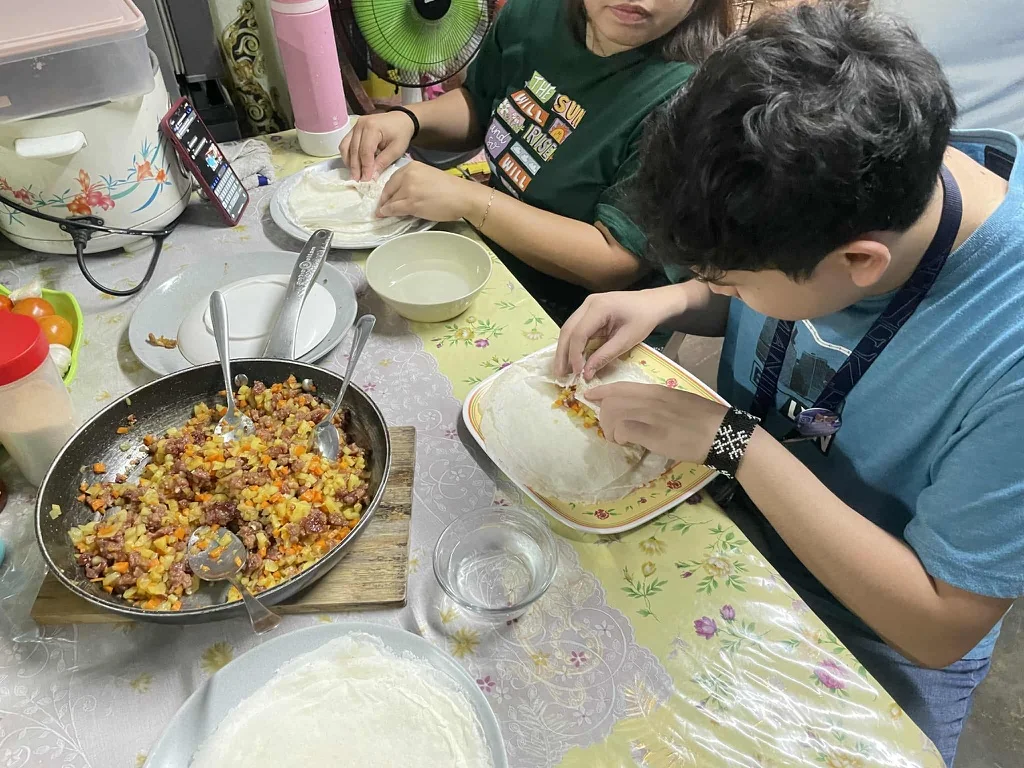
One thing kept catching my attention. On every street we walked down, someone said hi.
I kept hearing the same phrase: madalas bumabaha, it floods often. My best guess is that going through those floods together is what turned neighbors into a safety net. There, bayanihan is how people get through the week. Researchers who study urban poor communities describe something similar: kinship and neighbor networks work as informal safety nets alongside formal help.
I also noticed fewer people glued to their phones, partly because of limited access. Without that, conversation happened face to face, and it seemed to make the community closer.
The image I left with was a soup made from limited ingredients. Nobody has everything, so everyone brings what they have. Barangay health workers bring care, tutors like our foster nanay bring education, and tanods bring security. Together it becomes something nourishing.
The ingredient I respected most was education. All three of the family's kids were in college through scholarships or free public education, and you could see how proud the family was. As a scholar myself, that hit close.
I didn't expect this to change how I build, but it did.
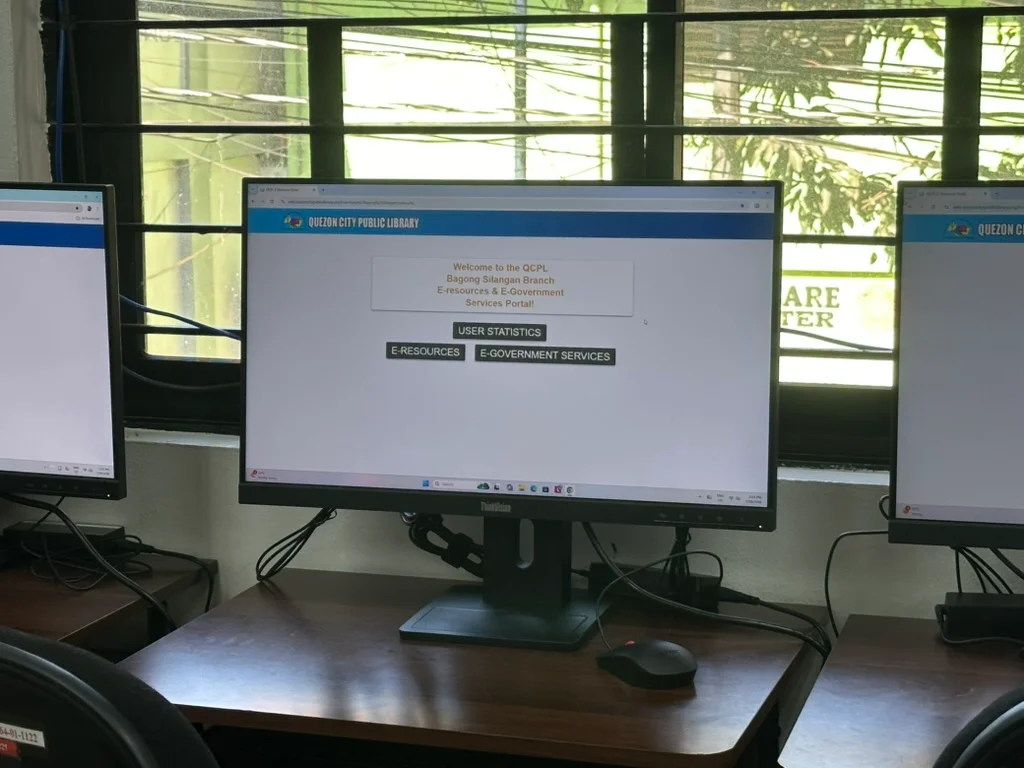
On our walk around the barangay, we stopped by the library. It had three computers, and none of them showed the usual cluttered desktop. Each screen had just three shortcuts, set up by the Quezon City SK: the Quezon City website, Google, and a curated list of resources.
It was such a simple setup, and I thought it was clever. Nobody had to know where to look. The useful stuff was already one click away, picked by people who knew what the community needed.
Then I thought about Puerto Galera. That screen became the idea behind Aklatang Galera, a free bilingual portal for my hometown that I launched the following month. Like those three shortcuts, most of what it offers already existed: scholarships, research databases, government services, job listings. They were just scattered. The portal gathers them in one place and gets out of the way. To me, that's making do in code: building around what's already there.
It also changed what I think "building for communities" means. The community I visited was already working. Whatever I build should support what people already do for each other, and that starts with listening before building.
A classmate pushed back on my soup metaphor, and I think he was right to. "Making do" can slide into "it is what it is," a quiet acceptance of limits that nobody should have to accept. Resourcefulness is worth admiring, and the conditions that demand it still need fixing.
I only spent one day there. I don't want to pretend I understand a community from a single visit. What I can say is that I left with a lot of respect, and with a better idea of who I'm building for.